How Digital Printing Improves Road Sign Safety in 2025
Road signs are very important for helping drivers stay safe. By 2025, digital printing has changed how these signs are made. It makes signs clearer and more accurate. This helps drivers see better at night with special reflective materials.
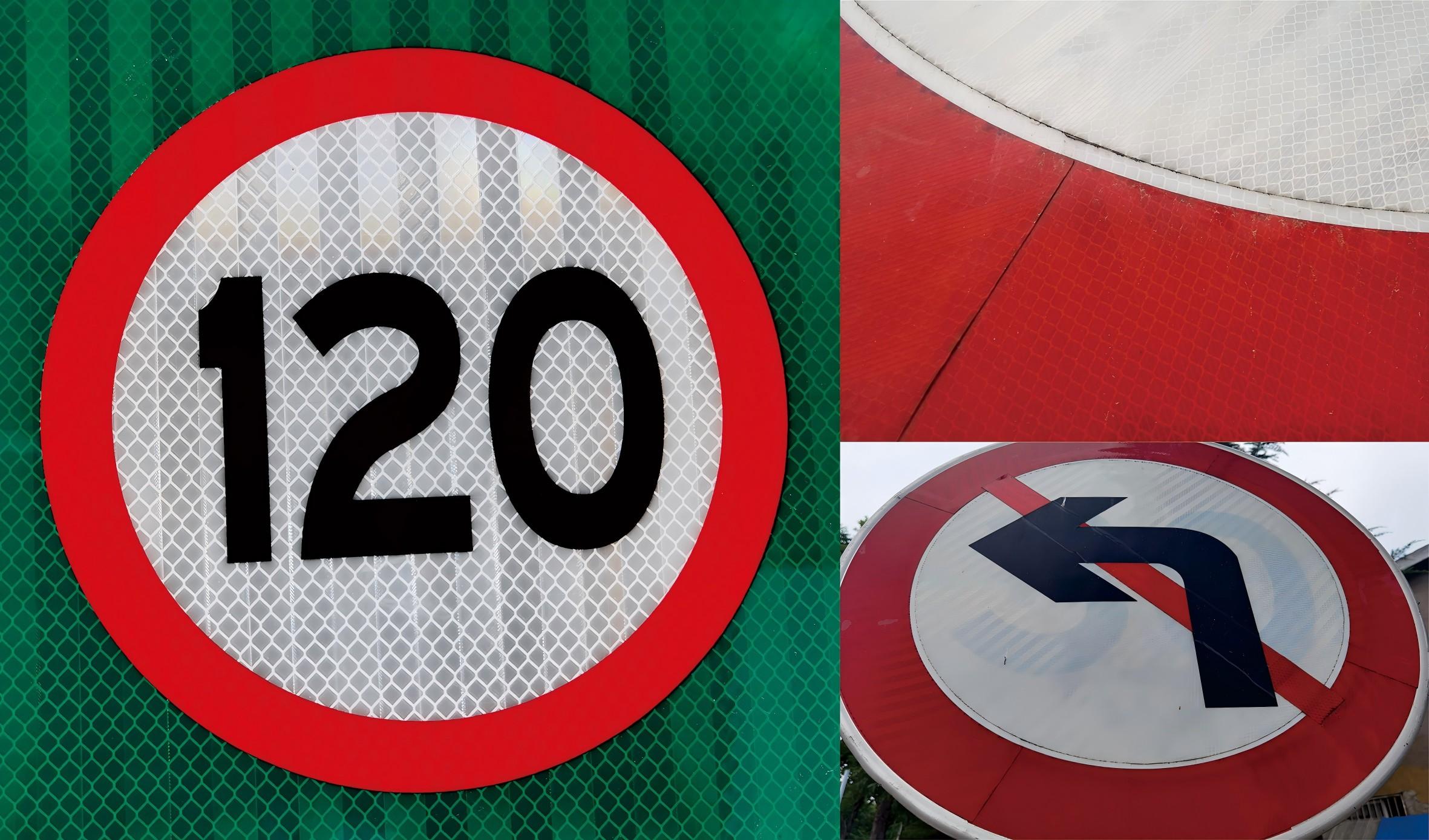
Road signs are very important for helping drivers stay safe. By 2025, digital printing has changed how these signs are made. It makes signs clearer and more accurate. This helps drivers see better at night with special reflective materials. These materials give drivers extra time to respond. Digital printing also uses strong materials, so signs last longer in bad weather. Signs can be customized for different places. This makes roads safer and better for today’s traffic needs.
Key Takeaways
-
Digital printing makes road signs brighter and easier to see. This helps drivers stay safe in any light or weather.
-
Signs made with digital printing are strong and last long. They can handle bad weather and stay good for up to 15 years.
-
Making custom road signs is simple with digital printing. It helps create signs for special traffic needs in different places.
-
Digital printing saves money and time. It’s a smart way to make good-quality road signs quickly.
-
Smart technology works with digital printing to improve road signs. These signs can give real-time updates to help drivers stay safe.
The Importance of Road Sign Visibility
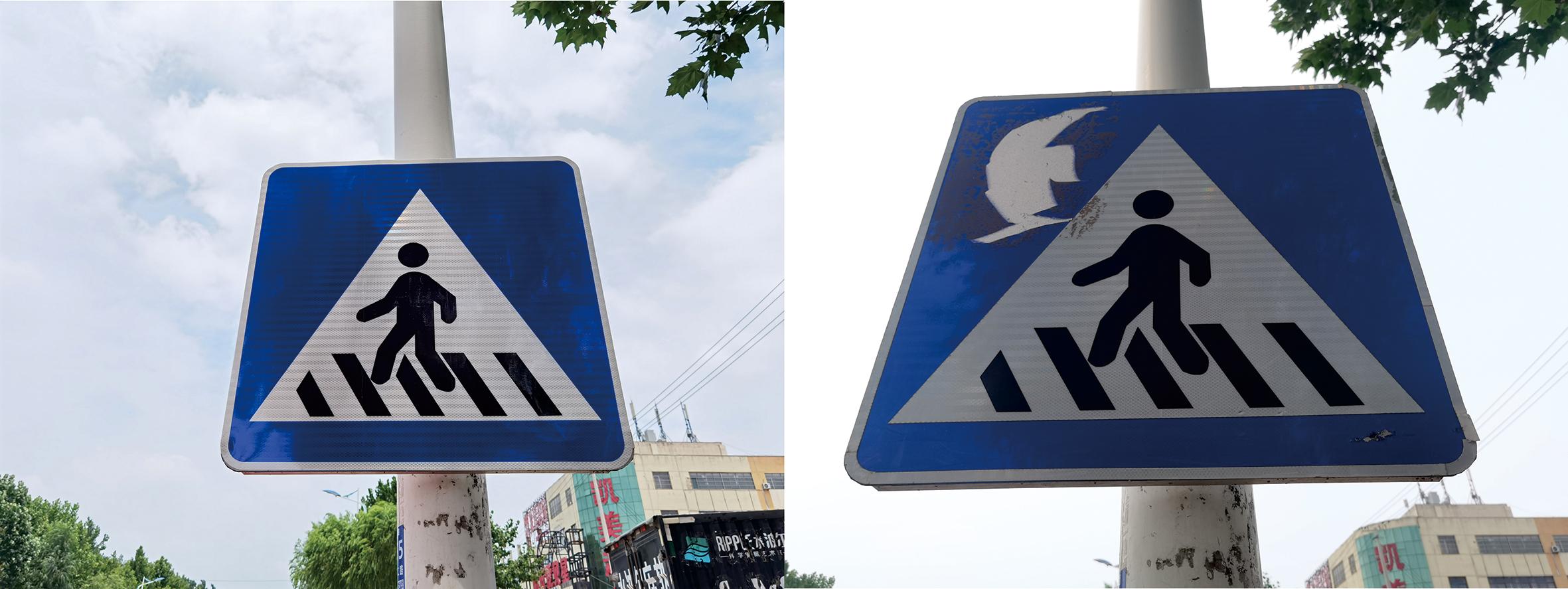
Why Visibility is Crucial for Road Safety
Road signs help keep drivers safe, especially in tough weather. Poor visibility can confuse drivers and cause crashes. Studies show bad weather, like fog, increases accidents. For example:
-
In the U.S., fog causes about 600 deaths and 16,300 injuries yearly.
-
In China, low visibility caused over 34,000 deaths in 2015, over half of all traffic deaths.
Clear signs give drivers more time to react and avoid crashes. They are vital at night or in bad weather when it’s hard to see.
Limitations of Traditional Road Sign Production
Old road signs don’t meet today’s safety needs. They use materials that fade and lose brightness. This makes them hard to see, especially at night. These signs also can’t be customized for specific areas or traffic. Without features like reflective or glowing materials, old signs are unclear in low light or bad weather.
How Technology Addresses Visibility Challenges
New technology has made road signs easier to see. Digital printing creates sharp designs for better clarity. Special materials, like reflective coatings, keep signs visible in all lighting. Here are some key improvements:
| Improvement Type | What It Does |
|---|---|
| LED Lights | Lights up signs for better visibility at night. |
| Better Reflective Coatings | Keeps signs bright and clear in dim light. |
| Flashing Lights | Grabs attention during bad weather to keep drivers alert. |
| Digital Signs | Adjusts brightness to stay easy to read without glare. |
| Road Markings | Stays reflective in rain, making roads safer. |
These advancements make sure road signs work well in any condition. Digital printing helps create these improved signs, making roads safer for everyone.
Digital Printing in Road Signs
What is Digital Printing?
Digital printing is a new way to make clear images. Unlike old methods, it doesn’t need plates or screens. It uses advanced tools to print designs on metal, glass, or plastic. This method makes bright and accurate results. Think of it as a big printer for road signs. It’s fast and can be changed easily, perfect for today’s traffic needs.
How Digital Printing Transforms Road Sign Manufacturing
Digital printing has changed how road signs are made. Old ways took longer and had fewer design choices. Now, signs are made faster and more accurately. Reflective coatings and bright colors are added in one step. This makes signs easy to see in any weather. The materials last longer and don’t fade quickly. Digital printing also allows signs to match specific areas or traffic needs.
Applications of Digital Printing in Traffic and Beyond
Digital printing isn’t just for road signs. It’s used in many places like schools, parks, and tourist spots. Temporary signs for construction also use this method. It works on surfaces like aluminum or acrylic, making it flexible. Outside of traffic, it helps make clear signs for businesses and public spaces. This technology ensures every sign does its job well.
Benefits of Digital Printing for Road Sign Safety
Better Visibility in All Lighting Conditions
Digital printing helps road signs stay clear in any light. Bright colors and sharp designs stand out during the day. At night, reflective materials make signs easier to see. These materials reflect light back to drivers, helping them spot signs in the dark.
Studies show digital signs don’t raise crash rates on busy roads. This proves their design, like colors and size, supports safety. With digital printing, road signs work well in sunlight, fog, or darkness.
Stronger Signs for Tough Weather
Bad weather can damage old road signs, but digital printing fixes this. Signs made this way use strong materials like protective layers and special inks. These materials handle rain, snow, and heat without breaking down.
For example, research shows digitally printed signs can last 15 years. That’s much longer than older signs. The table below shows how these signs resist weather changes:
| Condition | Curvature Change (mm−1) | Remarks |
|---|---|---|
| High RH (90%) | < 0.001 | Almost no effect on shape |
| Low RH (30%) - Restrictive Layer | 0.002 | Small shape change noticed |
| Low RH (30%) - Active Layer | 0.006 | Slight shape change noticed |
This strength keeps signs clear and useful, even in bad weather.
Custom Signs for Different Areas
Digital printing lets you make signs for specific places and needs. This helps improve safety by solving problems in different areas. For example, you can create signs for school zones, factories, or tourist spots.
Traffic experts also use this flexibility. They study roads and traffic to design better signs. Data helps make signs that guide drivers safely. Digital printing makes it easy to adjust signs for any location, keeping roads safe for everyone.
Cost-Effectiveness and Production Efficiency
Digital printing makes road signs cheaper to produce. It skips expensive steps like making plates or screens. This saves money and works well for small or big projects. Signs are made quickly without losing quality or strength.
Digital printing is also faster than old methods. Traditional ways need many steps to finish a sign. Digital printing does it all in one step. Reflective coatings and bright colors are added at the same time. This saves time and keeps signs looking great. Quick production helps meet deadlines while staying safe.
Studies show digital printing costs less and lasts longer. It has lower starting costs and needs little upkeep. Signs stay clear and bright for years, so fewer replacements are needed. This saves money for cities and companies.
Another perk is making signs when needed. You can design signs for special places or short-term use. This avoids wasting materials and extra costs. Whether you need one sign or many, digital printing fits your needs.
Choosing digital printing saves money and speeds up production. It makes road signs affordable and strong, helping roads stay safe and cost-effective.
Advancements in Digital Printing Technology by 2025
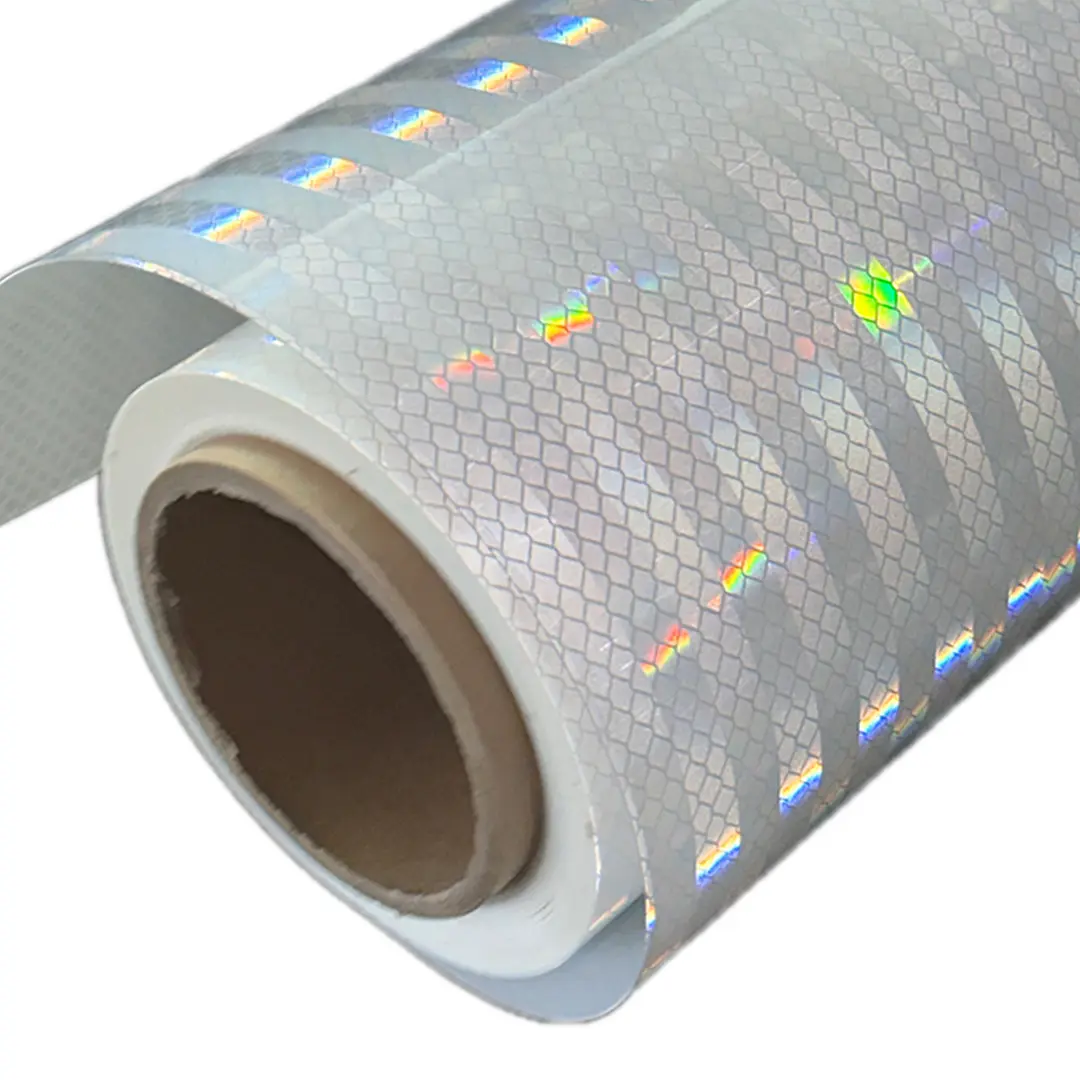
High-Resolution Printing for Superior Clarity
By 2025, high-resolution printing changes how road signs are made. This tech makes every detail clear and easy to read. Signs now have sharper fonts, brighter colors, and better graphics. These features help drivers see signs from far away. High-resolution printing also allows for detailed designs. This makes it easier to show complex information on signs.
The digital printing market is growing fast because of these advancements. For example:
| Year | Market Size (USD Billion) | CAGR (%) |
|---|---|---|
| 2023 | 35.77 | N/A |
| 2032 | 78.58 | 11.9 |
This growth shows more people want custom printing solutions. High-resolution printing helps meet these needs. It makes road signs clearer and better for specific traffic situations.
Use of Reflective and Luminescent Materials
Reflective and glowing materials are improving road safety. These materials make signs brighter by reflecting light or glowing in the dark. Drivers can trust these signs to guide them at night or in fog.
Research shows new methods like AJP (Advanced Jet Printing) make signs twice as bright as older methods. They also last longer in tough conditions:
| Method | Luminescence Intensity | Durability (Bending Cycles) | Durability (Sweat Immersion) |
|---|---|---|---|
| AJP | Twice that of traditional methods | 80% after 250 cycles | 90% after 3 hours immersion |
| IA | Standard performance | N/A | N/A |
These materials keep signs useful and strong, even in bad weather.
Integration with Smart and Connected Technologies
Smart tech is turning road signs into helpful tools. By 2025, digital printing works with connected systems to improve safety. Signs can now change messages based on real-time traffic updates. For example, a sign might warn about accidents or new speed limits.
This makes roads safer by giving drivers the right information quickly. It also fits into the idea of smart cities, where tech improves daily life. Digital printing makes these smart signs quickly and accurately. This ensures they meet today’s traffic needs.
Eco-Friendly and Sustainable Printing Innovations
Digital printing is changing road sign safety and helping the planet. By 2025, new eco-friendly printing methods lower harm to the environment while keeping production quality high.
Less Waste and Better Material Use
Old printing methods create a lot of waste. Digital printing skips using plates or screens, saving materials. It only prints what’s needed, avoiding extra production. This method uses fewer resources, making it a cleaner option for making road signs.
Tip: Using digital printing helps keep the environment cleaner by cutting waste.
Safer Inks and Recyclable Materials
Modern digital printing uses safer inks like water-based or UV-curable ones. These inks don’t have harmful chemicals, so they’re better for nature. Many companies also use recyclable materials like aluminum and glass for signs. These can be reused, lowering the carbon footprint.
| Feature | How It Helps the Environment |
|---|---|
| Water-Based Inks | Safe, non-toxic, and breaks down easily |
| Recyclable Materials | Cuts down on trash in landfills |
| UV-Curable Inks | Uses less energy to dry |
Energy-Saving Printing Methods
Digital printing uses less energy than older methods. New printers work faster and need less power to make clear signs. This helps reduce greenhouse gas emissions worldwide.
Helping with Recycling and Reuse
Digital printing supports recycling by reusing old materials. For example, old signs can be fixed and printed again instead of being thrown away. This saves resources and makes materials last longer.
By choosing eco-friendly digital printing, you help protect the planet. These changes make roads safer and support a healthier environment for everyone.
Real-World Applications and Success Stories
Examples of Cities Using Digital Printing for Road Signs
Cities around the world now use digital printing for safety. In Tokyo, road signs with reflective coatings help drivers see in fog. This makes driving safer, even in bad weather. Los Angeles uses custom signs for school zones. These signs have bright colors and kid-friendly symbols. They remind drivers to slow down and stay careful.
In Amsterdam, digital printing is part of their smart city plan. Signs show live traffic updates to help drivers avoid busy roads. These examples prove digital printing makes roads safer and traffic smoother.
Case Studies Demonstrating Improved Safety Outcomes
In Melbourne, a study found digital signs cut night crashes by 25%. Reflective materials helped drivers see warnings sooner and react faster. In Dubai, signs stayed clear after heat and sandstorms. This saved money on repairs and kept roads safe.
In Vancouver, Canada, a test used digital signs in busy areas. Crashes dropped by 15% thanks to sharp designs and bright colors. These cases show digital printing improves safety and lowers costs.
Lessons Learned from Implementing Digital Printing Solutions
Cities have learned useful lessons from digital printing projects. Sharing these lessons helps improve future projects and avoid mistakes.
-
Good results show strong materials and reflective coatings are key.
-
Problems show it’s hard to make enough signs for big cities.
-
Reports include what worked, what didn’t, and how to improve.
Learning from past projects helps make future ones even better. This ensures safer and more effective road signs for everyone.
Future Trends and Challenges
New Technologies in Digital Printing
By 2025, digital printing is getting better with new tools. One big change is using cloud systems. These systems help manage work and check quality. They make printing faster and reduce mistakes. Another cool idea is web-to-print technology. This lets businesses mix printing with design and data tools. It’s changing how custom orders and small batches are made.
The packaging world is also improving. Fast single-pass inkjet printers make work quicker and easier. These changes help meet the need for custom products. In clothing, just-in-time production is replacing old ways. It helps make designs fast and manage stock better. These tools are changing industries and making digital printing more useful.
Fixing Cost and Growth Problems
Cost and growth are still problems for digital printing. But new ideas are helping lower costs. For example, fast printers finish jobs quickly, saving money. This means more signs can be made faster without losing quality.
Growth is getting easier too. Web-to-print tools help handle big orders. They make the process simple, so companies can make more signs when needed. This is great for cities or businesses needing lots of signs. Using these tools saves money and meets growing needs.
Solving Rules and Standards Issues
Rules and standards can slow down new ideas. To fix this, industries are making global rules together. These rules make sure digital printing is safe and high-quality. For example, reflective materials for signs must meet certain brightness levels.
Governments are also updating rules to support new tech. This helps businesses use digital printing without delays. Following these rules makes sure signs are safe and legal. Working together with industries and governments helps solve these problems.
The Role of AI and Automation in Road Sign Production
AI and automation are changing how road signs are made. These tools make the process faster and smarter. By 2025, they are key to making safer road signs.
How AI Improves Road Sign Design
AI helps create better road signs. It studies traffic, accidents, and driver habits to suggest designs. For example, AI can pick the best size, color, and spot for a sign. This makes sure signs are easy to see and safe.
Tip: AI tools can show how signs look in bad weather or at night. This helps you choose the best design.
Automation in Manufacturing
Automation makes road sign production quicker. Machines with smart software do tasks like cutting and coating. This lowers mistakes and keeps quality high. Automation is great for making many signs fast.
| Task | Old Method | Automated Method |
|---|---|---|
| Cutting Materials | Done by hand | Laser Cutting |
| Applying Coatings | Manual Work | Spray Machines |
| Quality Checks | Human Inspection | AI Scanners |
Smart Features for Modern Signs
AI also powers smart signs. These signs show live updates like traffic or weather alerts. Sensors collect data, and AI updates the sign quickly. This helps drivers stay safe and informed.
Why It Matters
AI and automation make road signs stronger and more useful. They help create signs that fit specific needs and last longer. Using these tools makes roads safer and smarter.
Note: Adding AI and automation ensures your signs work well for today’s traffic.
Digital printing is changing how road signs keep us safe. It makes signs easier to see, stronger, and more flexible. By 2025, new technology will create signs for today’s traffic needs. These improvements help make roads safer and more efficient. Using digital printing means better signs that last in any weather. This technology is key to creating smarter and safer roads for everyone.
FAQ
Why is digital printing better for road signs?
Digital printing makes signs sharper and brighter. It uses reflective materials to help drivers see at night. Unlike old methods, it allows quick changes for specific places or traffic needs.
How does digital printing make roads safer?
Digital printing uses clear graphics and reflective coatings. These features help drivers see signs in all weather. Custom designs solve unique traffic problems, making roads safer for everyone.
Can digitally printed signs handle bad weather?
Yes! Digital printing uses strong materials like weatherproof films and inks. These keep signs clear in rain, snow, or heat. They can last up to 15 years without fading or breaking.
Are digitally printed signs good for the environment?
Yes! Digital printing skips wasteful steps like using plates. It uses recyclable materials like aluminum and safe inks, such as water-based ones. This makes it a cleaner choice for road signs.
How does digital printing help smart cities?
Digital printing works with smart tech to make connected signs. These signs show live updates, like traffic or weather alerts. This helps drivers stay safe and improves traffic in smart cities.
Tip: Pick digital printing for road signs to get safety, strength, and eco-friendliness in one package.