Steel Structure Buildings Warehouse In Benin
Steel Structure Buildings Warehouse In Benin
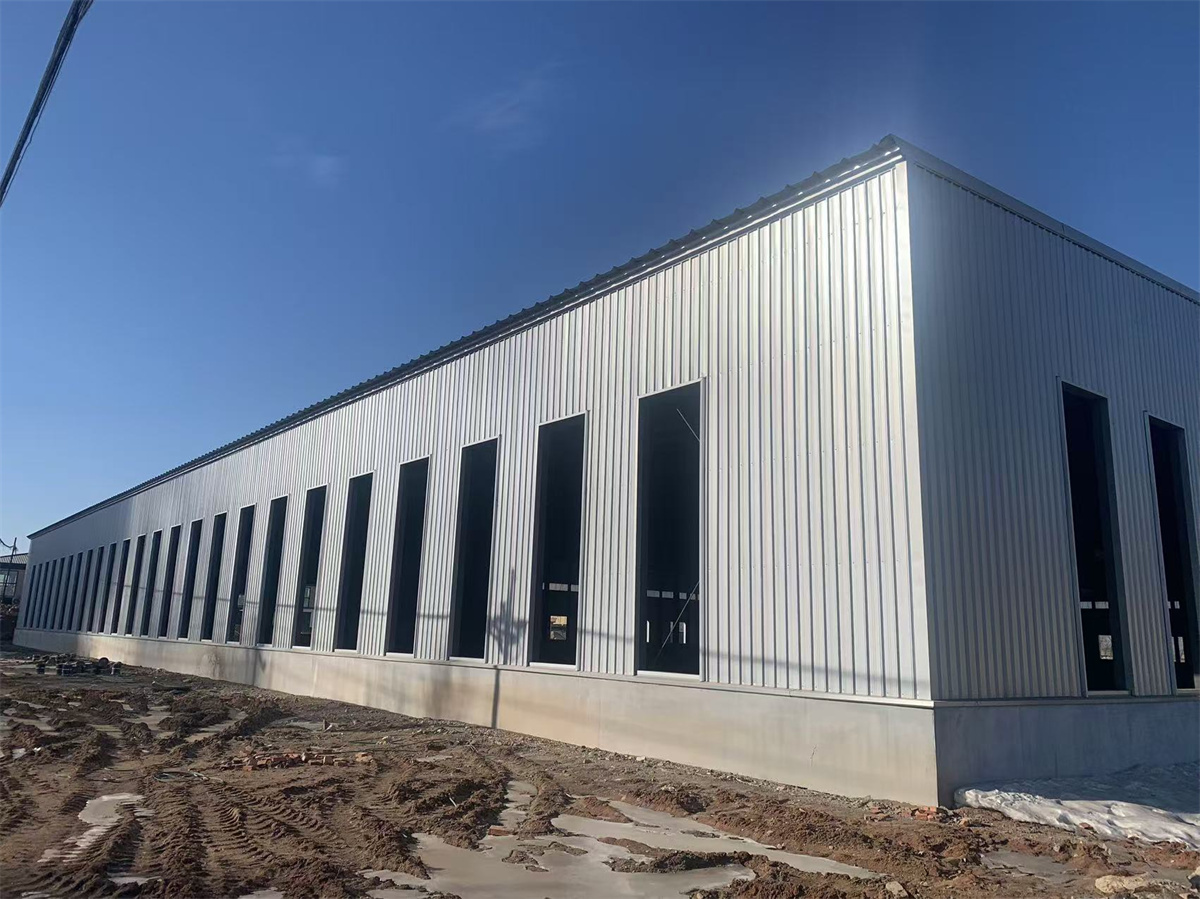
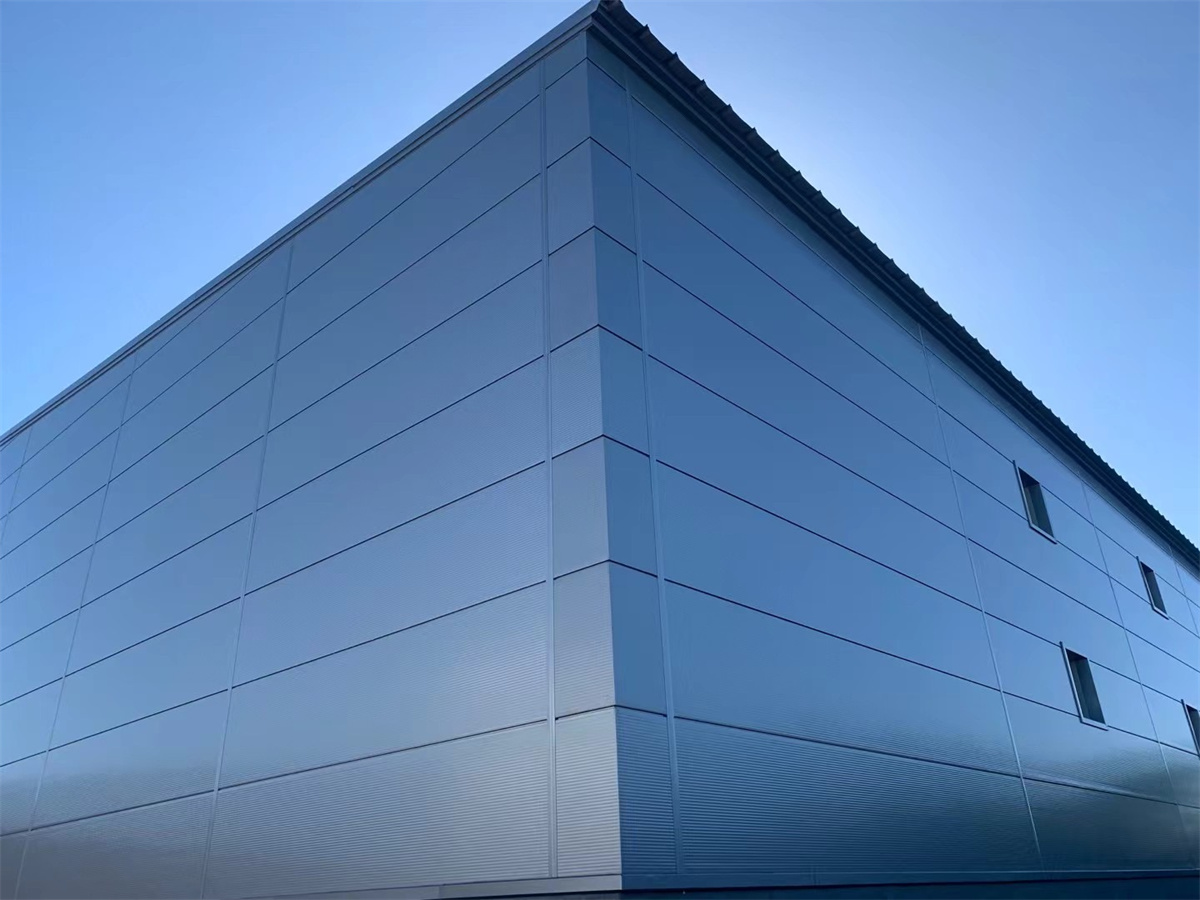
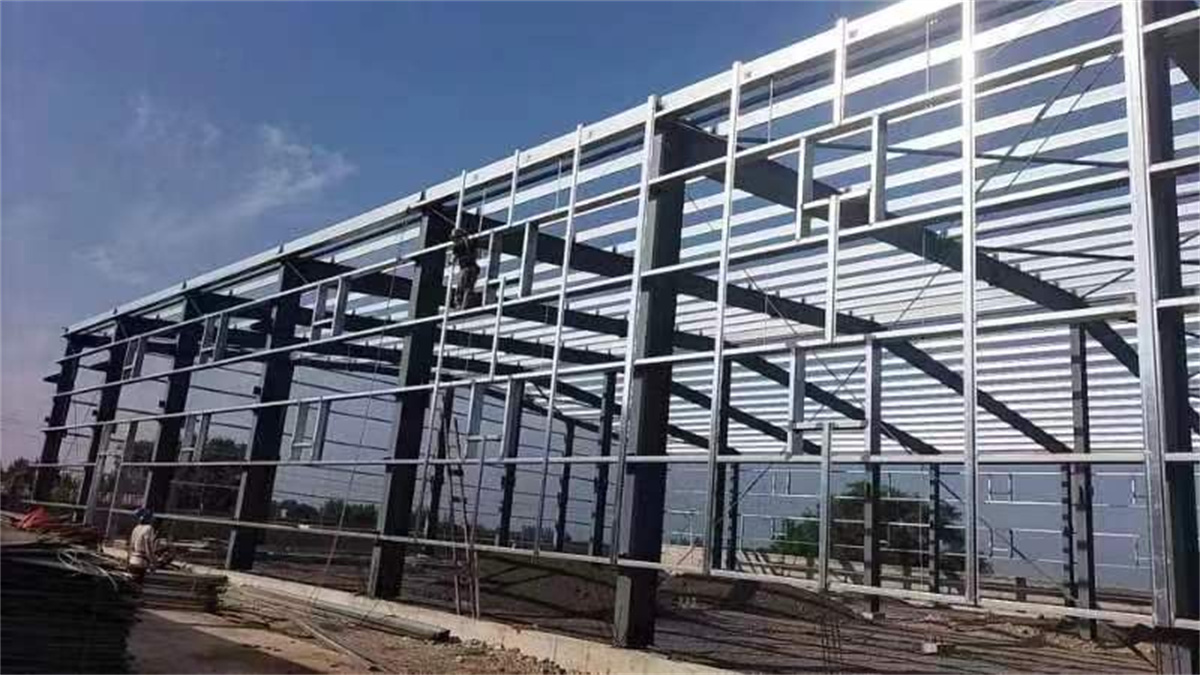
Designing a steel structure warehouse in Benin requires careful consideration of local climate, regulations, and practical needs. Here's a structured approach:
1. Site Assessment & Preparation
-
Location Analysis: Proximity to coast (salt spray) or urban areas; assess soil type (lateritic soils common) through geotechnical surveys.
-
Drainage: Ensure proper slope and drainage systems to handle heavy rainfall, preventing water accumulation.
2. Design Criteria
-
Climate Adaptations:
-
Roof Design: Steep slope (≥10°) for rapid rainwater drainage; corrugated metal sheets with anti-corrosion coatings.
-
Ventilation: Natural solutions (ridge vents, louvers) to reduce heat and humidity; consider mechanical systems if storing sensitive goods.
-
-
Load Considerations: Wind load calculations (Benin’s wind zones), live/dead loads for storage, and potential seismic retrofitting (low risk but prudent).
3. Material Selection
-
Steel Type: Galvanized or painted steel for corrosion resistance. Prefabricated sections for cost and time efficiency.
-
Foundation: Reinforced concrete pad/strip foundations based on soil bearing capacity; pile foundations if soil is unstable.
-
Insulation & Roofing: Insulated panels to reduce heat and prevent condensation; translucent panels for natural lighting.
4. Structural & Safety Features
-
Frame Design: Clear-span trusses for unobstructed space; column spacing optimized for load and cost.
-
Fire Safety: Fireproof coatings on steel; sprinkler systems if storing flammable goods.
-
Security: Perimeter fencing, motion-sensor lighting, and surveillance systems.
5. Regulatory Compliance
-
Local Codes: Adhere to Benin’s building regulations, possibly influenced by French/EU standards. Engage local engineers for approvals.
-
Permitting: Factor in timelines for permits and inspections.
6. Sustainability & Cost Efficiency
-
Energy: Solar panels on roofs; skylights to minimize electricity use.
-
Water Management: Rainwater harvesting systems with gutters and storage tanks.
-
Local Sourcing: Use locally available materials and labor to reduce costs and delays.
7. Construction & Logistics
-
Prefabrication: Speedier erection using pre-engineered components.
-
Labor: Partner with contractors experienced in steel structures; address potential skill gaps through training.
-
Timeline: Account for rainy season disruptions; plan construction during drier months (November–March).
8. Operational Considerations
-
Access Points: Large loading docks and roller doors for logistics efficiency.
-
Pest Control: Termite-resistant treatments for structural elements if storing agricultural products.
-
Expandability: Modular design for future expansion.
9. Challenges & Mitigation
-
Corrosion: Regular maintenance schedules for coatings and joints.
-
Supply Chain: Secure material suppliers early to avoid delays; consider regional hubs like Nigeria or Togo for imports.